
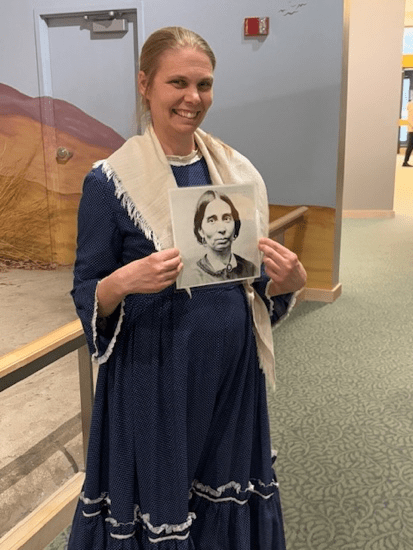
Winter Quarters Visitors Center
February 1, 2025
By: Rachel Leavitt
Walking through Untold stories at Winter Quarters, where the past felt both painful and hopeful, I was struck by the weight of history and the responsibility to acknowledge it truthfully while honoring the voices of those who have long been silenced. I came as a descendant of Brigham Young, yet I also came to stand in fellowship with the Black members of my church—individuals whose faith and contributions have too often been overlooked or erased. This duality weighed on me throughout the trip, leaving me with questions I don’t yet have answers for.
Yet even in the tension of these unresolved questions, I found moments of clarity. Through reflection, music, worship, and meaningful conversations, I caught glimpses of how healing space may take shape—not in sweeping gestures, but in small, sincere acts of gratitude, recognition, and openness to change.
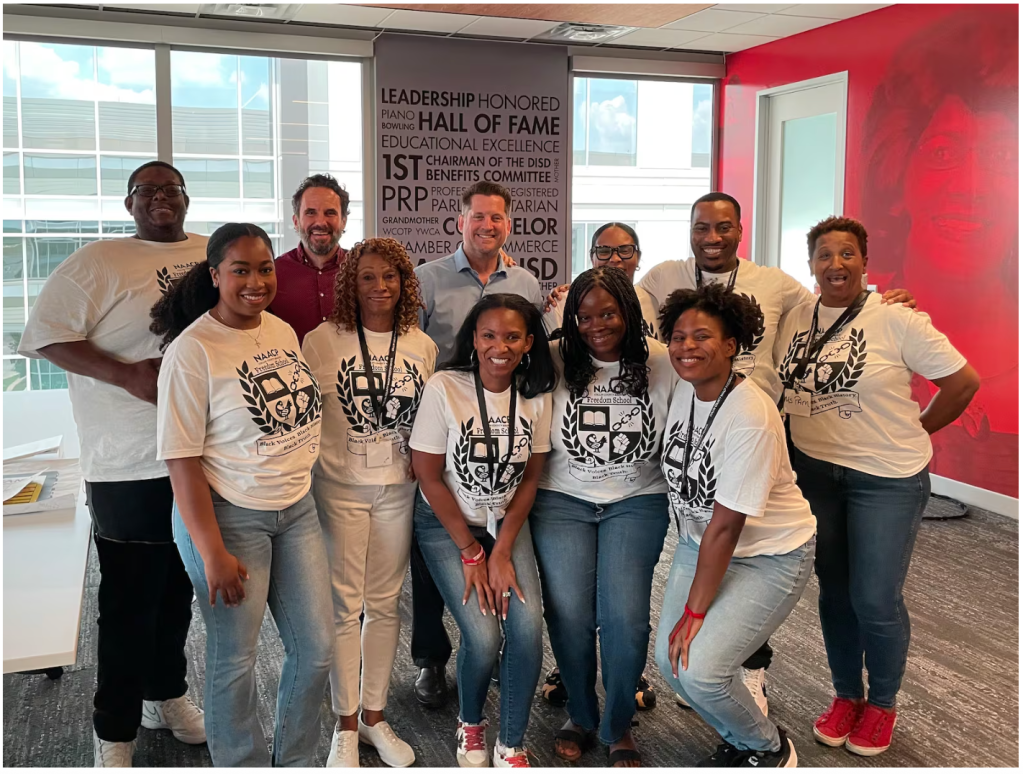
One of the most powerful expressions of this came through the choir—a group composed of both Black and White members, joining their voices in worship. Their diversity extended beyond race; young and old stood side by side, unified in purpose. I had the privilege of joining them, adding my voice to theirs in a shared offering of praise. Though we were not a professionally trained choir, our sincerity and love for God shone through every note. The Spirit spoke through our voices, reminding me of what it truly means to be one in Christ.
The music was well chosen for the occasion, and even though we had only practiced together a few times, the experience was uplifting. There was a shared purpose and joy in our singing, a reminder that worship is not about perfection but about the sincerity of our hearts.
As Sam Luther was singing, I noticed people nodding, responding, and even voicing their “amens” in agreement. It made me reflect on how, in our typical cultural context, such expressions are often looked down upon or discouraged. Yet in this space, it was beautiful to witness and celebrate this aspect of Black culture and faith. Seeing it integrated into the Trail Center made it even more inspiring—a reminder that different traditions of worship can enrich our collective faith experience rather than divide it.
During the trip, as I stepped into the role of Eliza Lyman, a friend of Jane Manning James, a few older women approached me with questions about race and culture in the early church. Because I had studied this topic extensively and worked to integrate my understanding into my own faith, I felt confident discussing it. I was grateful to have both historical and spiritual context, as well as personal reflection, to draw from in the conversation.
These are complex question—ones that deserve a much longer discussion—but in our short exchange, we found common ground. There was a shared respect for the difficulty of the topic, an acknowledgment of the need for healing, and a commitment to moving forward without the fear or disdain that often accompanies discussions about race. By the end of our conversation, I think we both left feeling uplifted—hopeful for the future while also more aware of the challenges that have shaped the past.
The Black pioneer stories, like mine, are part of our shared heritage, but the weight of that history is complicated. I wonder—are my ancestors grateful in this moment? Do they rejoice to see the lives of those they impacted finally being elevated and honored?
Would Brigham Young feel a sense of gratitude that these pioneers’ names and lives are now being brought into the light, rather than remaining buried under the false narratives he and our culture once wrote for them?
What does it mean to carry the legacy of both privilege and pain, and how do we reconcile the complexities of history while striving for a more just, merciful and unified future?
I don’t have all the answers(if any), but I do know that our ancestors live on in us. Those whose names were forgotten but deserve to be remembered, and those whose names are well known but still have lessons to learn. I wonder if, in some way, they are together—nudging, whispering, urging us forward toward a better, more truthful future.
Reflecting on all these experiences—the dedication to preserving history, the unity of the choir, the embrace of diverse worship traditions, the open discussion about race in the early church, and the complicated emotions of my own family’s legacy—I was reminded of how faith, history, and culture intersect in meaningful ways. This trip reinforced the importance of honoring the past while also working toward the creation of healing spaces and understanding in the present.

 Black Lives Bless