
Written by the Editor: Larry Lewis
The History of Black Music Month in the United States
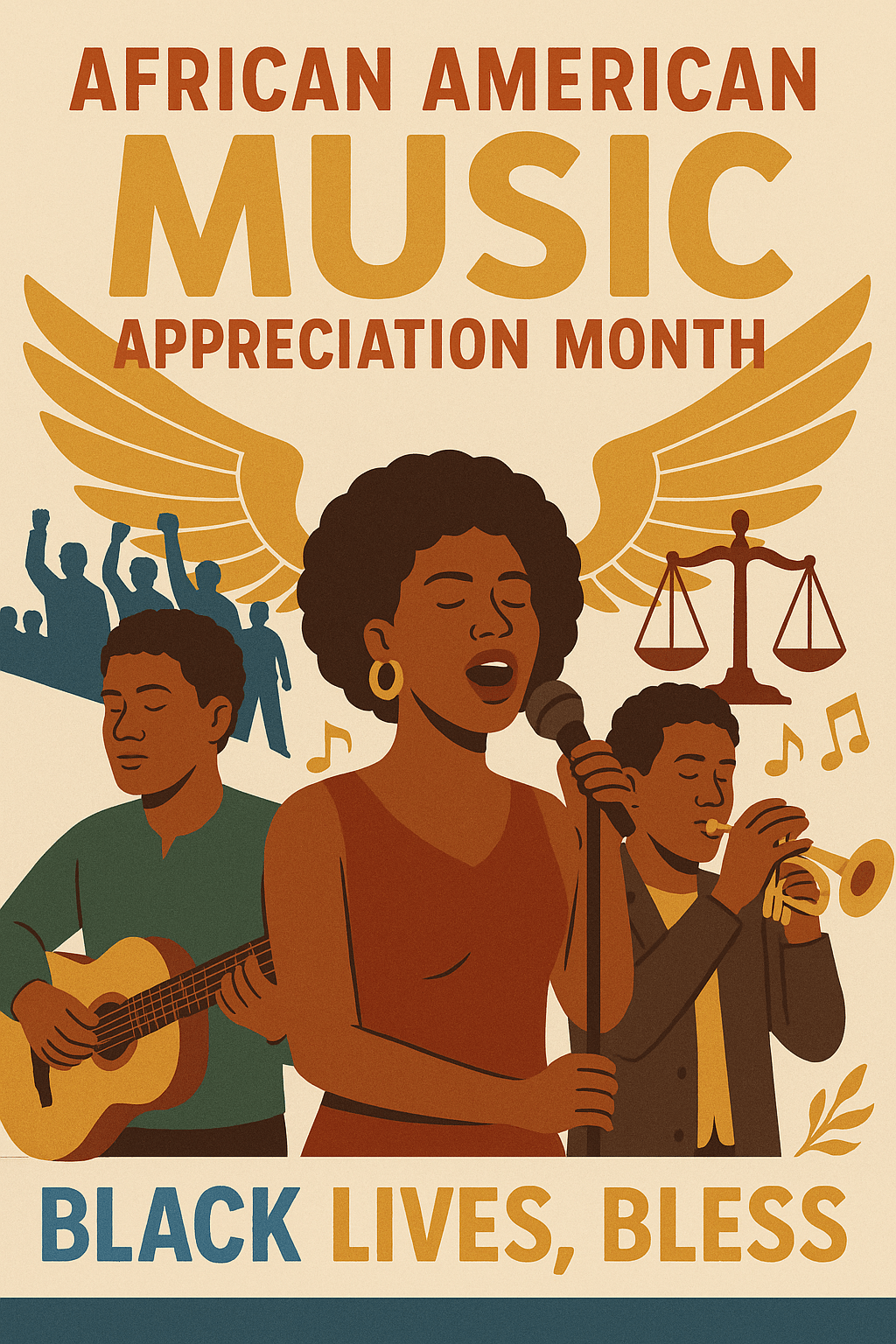
Each June, the United States celebrates Black Music Month—a time set aside to honor the profound influence of Black musicians, composers, and performers across every genre of American music. From the soulful rhythms of gospel and blues to the innovative sounds of hip-hop and jazz, Black music has been a cornerstone of American culture, telling stories of struggle, triumph, identity, and resistance. But the journey to establish Black Music Month as a recognized celebration in the U.S. is itself a powerful story rooted in cultural pride, political advocacy, and a deep commitment to preserving African American artistic legacy.
The Birth of Black Music Month
Black Music Month was born out of a desire to elevate and institutionalize the contributions of Black artists, many of whom shaped the musical landscape while facing systemic discrimination and exclusion. The initiative was spearheaded in 1979 by Kenny Gamble—one half of the legendary songwriting and production duo Gamble and Huff, known for creating the “Philly Sound”—alongside radio DJ and music executive Dyana Williams and broadcaster Ed Wright.
Gamble, a prominent figure in the music industry and a passionate advocate for Black culture and economic empowerment, recognized the need to formalize a national observance that would spotlight the economic and cultural value of Black music. With the help of Williams and Wright, he organized efforts to establish June as Black Music Month.
Their advocacy bore fruit that same year. On June 7, 1979, President Jimmy Carter hosted a reception at the White House to recognize the contributions of Black musicians, effectively marking the first celebration of Black Music Month. Although it wasn’t yet an official presidential proclamation, the event set a precedent and launched a tradition that would grow stronger in the decades to come.
A Cultural and Political Campaign
Despite the 1979 White House event, Black Music Month lacked formal federal recognition for many years. That changed largely due to the relentless efforts of Dyana Williams. Often referred to as the “Mother of Black Music Month,” Williams spent years lobbying lawmakers and organizing awareness campaigns to secure the observance’s official status.
Her perseverance paid off in 2000, when Congress officially passed a resolution declaring June as Black Music Month. That same year, President Bill Clinton issued a formal proclamation in recognition of the month-long celebration, marking a major milestone in the movement. In 2009, President Barack Obama further elevated the observance by renaming it “African American Music Appreciation Month,” reflecting a broader recognition of the depth and diversity within Black musical traditions.
Black Music as American Music
Black Music Month serves not only to celebrate the achievements of Black artists but also to remind the nation that Black music is American music. The spirituals sung by enslaved Africans were the foundation for gospel, blues, and jazz—all genres that later influenced rock, R&B, and hip-hop. These art forms, born from the Black American experience, have had an immeasurable impact on global music and culture.
From Billie Holiday and Louis Armstrong to James Brown, Aretha Franklin, Prince, and Beyoncé, Black artists have consistently pushed musical boundaries, told stories that resonated across generations, and defined new cultural movements. The innovation of hip-hop, the elegance of jazz, the soul of Motown—all of these and more are celebrated during Black Music Month.
The observance also highlights the economic power of Black music. While Black musicians have often been underpaid, under-credited, or exploited, the genres they helped create and popularize have generated billions of dollars in revenue.
Black Music Month advocates continue to raise awareness about the importance of equitable representation and compensation in the music industry.
A Month of Reflection and Celebration
Today, Black Music Month is marked by concerts, educational programs, radio specials, and museum exhibits across the country. Organizations such as the National Museum of African American Music in Nashville and the Smithsonian’s National Museum of African American History and Culture in Washington, D.C., offer year-round programming that peaks in June to honor this rich legacy.
More than just a celebration of talent, Black Music Month is a call to preserve history, acknowledge injustices, and honor the resilience and brilliance of Black artists. It invites Americans of all backgrounds to reflect on the soundtrack of the nation’s history—a soundtrack in which Black voices have always played a central role.
As we continue to celebrate Black Music Month each June, we do more than honor past achievements. We also affirm the enduring power of Black creativity and its essential role in shaping not only the sound but also the soul of America. At the end of the day we continue to appreciate and honor the many Black Lives that have blessed the history of American Music and beyond.



 Black Lives Bless